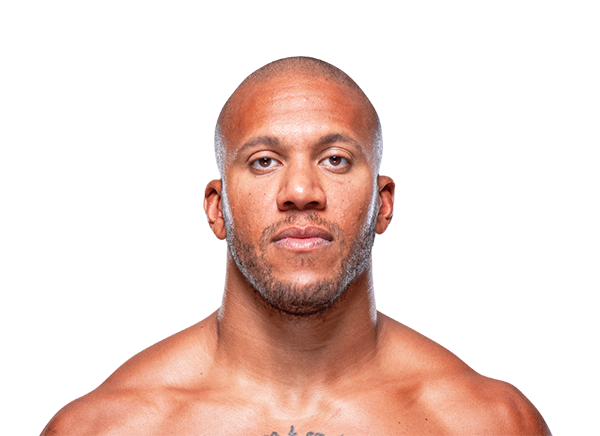

Middleweight · inactive
MarkWeir
“The Wizard”
How Weir stacks up
- Striking output1.80 / min5
- Striking accuracy64%97
- Striking defense38%7
- Knockdown power2.16 KD / 1597
- Takedown offense0.00 / 156
- Takedown defense25%5
- Control share21%14
- Submission threat3.23 att / 1599
Percentile vs middleweight fighters with 3+ UFC bouts and a fight in the last six years. Grade = average of the eight. Elite 85+ · Contender 70+ · Ranked 50+ · Gatekeeper 30+. Method
Career lineThe rating, fight by fight
↳Bottom lineBiggest jump: +33 beating Eugene Jackson (Jul 13, 2002). Biggest drop: -36 against David Loiseau. How the rating works
?How to read this chart
- The line
- is the fighter's Cage Nightly rating (our Elo score) after every UFC bout, left to right from debut to the latest fight. Higher = stronger.
- The dots
- are fights: gold for a win, red for a loss. Beating a highly rated opponent or finishing the fight moves the line further. Tap a dot to open that fight.
- The dashed line
- is 1500, the long-run average UFC fighter. The left axis is the rating, the bottom axis the year.
UFC careerHow the fights ended
↳Bottom line100% of Weir's 1 UFC wins came by finish; 2 of 2 losses were stoppages.
?How to read this chart
- Left: the method bars
- for each way a fight can end (KO/TKO, submission, decision), the gold bar is the share of wins that came that way and the red bar the share of losses. Numbers at the ends are counts.
- Right: fight by fight
- one bar per UFC fight, oldest on the left. Gold = win, red = loss, grey = draw or no contest. Tall bar = ended early by KO or submission; short bar = went to the judges.
Measured in the cageAdvanced numbers
↳Bottom line92% of their landed significant strikes go to the head, and 76% land on the ground.
?How to read this chart
- The tiles
- are career rates per minute or per 15 minutes (one round is 5). Differential = landed minus absorbed per minute: above zero means they out-land opponents.
- The two bar boxes
- split every significant strike they landed (power shots and anything at distance, not light taps) by target (head, body, legs) and by position (at distance, in the clinch, on the ground).
Age curveWeir against the clock
How age changes the UFC →↳Bottom lineMiddleweights win most often at 26 (56% of fights). At 35, Weir's age at the last fight, the division wins 43%. Weir has won 1 of 3 decided UFC fights, where age alone predicts 1.3: right on the curve.
?How to read this chart
- The gold curve
- is the share of middleweight fights won at each age at fight time, across every UFC bout since 1994. Where it peaks is the division's prime.
- The marks on it
- are Weir's own UFC wins and losses, placed at the age each one came, so you can see whether the results beat or trail the curve.
- Beating the clock
- compares Weir's real wins with the wins the age curve alone would predict: plus means better than a typical fighter of the same ages.
Where Weir fitsRivals, styles and gym

3 UFC boutsFight history
| Opponent | Method | Rd | Time | Event | |
|---|---|---|---|---|---|
| L | DLDavid Loiseau | KO/TKO · Punches to Head From Guard | 1 | 3:55 | UFC 42 Apr 25, 2003 |
| L | PMPhillip Miller | SUB · Rear Naked Choke | 2 | 4:50 | UFC 40 Nov 22, 2002 |
| W | EJEugene Jackson | KO/TKO · Punch to Head At Distance | 1 | 0:10 | UFC 38 Jul 13, 2002 |
What we can verifyThe money
How UFC pay works →No official purse has been disclosed for Mark Weir: Nevada, Florida, Arizona and most cards outside the US keep pay private. We publish only commission figures, never estimates.
Ready-made cards, built from our numbers
A story for Instagram and TikTok, a square for X, Threads and WhatsApp. They update with the result.