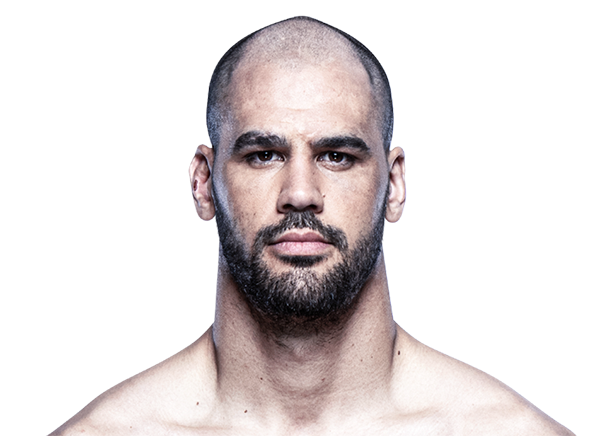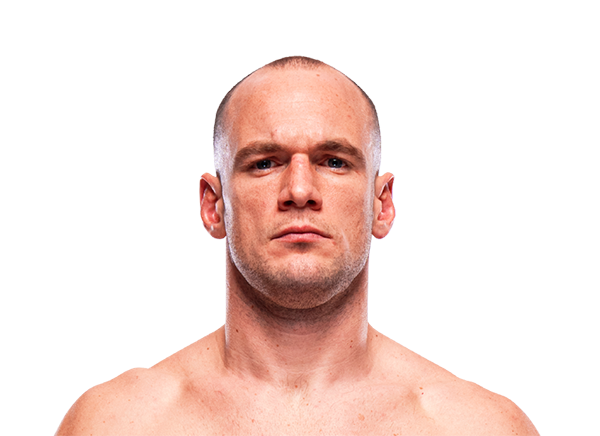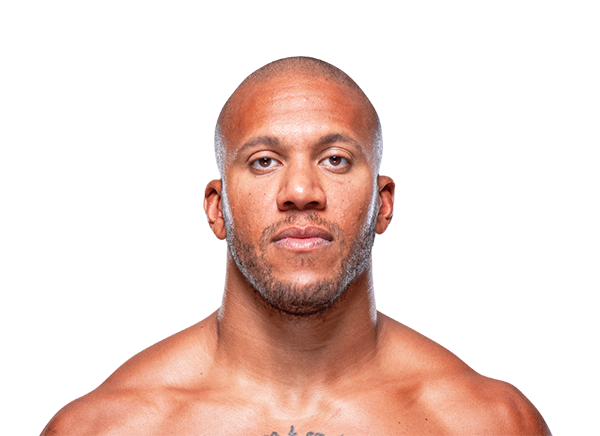


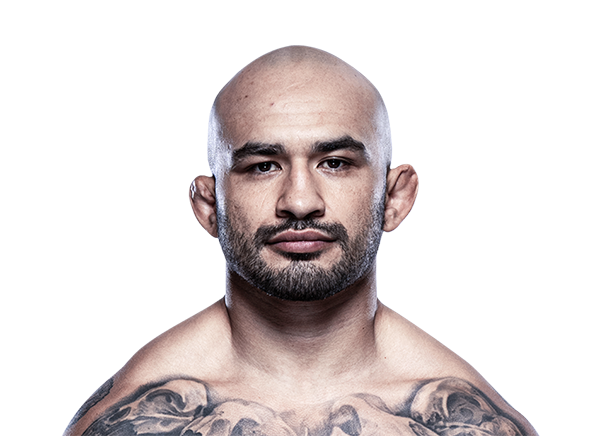
The matchup in numbers
Bilal Hasan lands 9.01 significant strikes a minute in the UFC. Luis Gurule lands 5.44. That 3.57 gap is the fight. Hasan is a volume striker who does not need the opening to be perfect, only open, and the output differential suggests he will keep it open for fifteen minutes.
The absorption side is where the take gets sharper. Hasan absorbs 4.38 a minute. Gurule absorbs 5.35. Hasan is out-landing opponents by 4.63 a minute, while Gurule is out-landed by a hair at 5.44 against 5.35. That is a fighter who trades even on a good night.
Hasan is 10-0 as a pro and 1-0 in the UFC. Gurule is 11-4 as a pro and 1-4 in the UFC. The UFC sample on Hasan is a single fight, so the career line carries a caveat. The numbers are strong, but they come from one night's work.
Where Bilal Hasan wins it
Output first. Hasan throws from a switch stance, which makes the pocket hard to read, and he lands 47 percent of what he throws. Gurule defends only 57 percent of strikes, so a high-volume attack finds a target more often than not.
Reach is the second lever. Hasan holds a 6-inch advantage, 70 inches to 64. Jab and distance management are easier with that gap, and Gurule has to cross it every exchange.
Hasan's last fight ended with a KO/TKO in the second round against Nilson Rojas, at 2:28. He is the finisher here on form, and the stoppage routes are open: Gurule lost to Ode Osbourne by KO/TKO in the second round and to Rei Tsuruya by submission in the first.
The wrestling numbers are a curiosity. Hasan is a perfect 100 percent on takedown accuracy at 1.83 per 15 minutes. His takedown defense reads 0 percent, which on this sample means little, but it is the one soft spot on his sheet.
Where Luis Gurule wins it
He needs to shrink the fight. Gurule is five inches shorter, 65 to 67, and he comes from a Muay Thai base. The clinch and dirty boxing are where reach stops paying. A fight at close range makes the 6-inch gap irrelevant.
He also needs to stay on his feet and on his terms. His takedown defense is 60 percent, and Hasan's 1.83 attempts per 15 minutes will test that. Gurule's own takedown offense is 15 percent accurate, so there is no wrestling plan to fall back on.
The cards offer a quieter route. Three of Gurule's last five went the distance, and he won one of them, a unanimous decision over Daniel Barez. He loses close rounds on volume, but he is durable enough to reach the scorecards. His two other decision losses came against Alden Coria and Jesus Aguilar, both unanimous.
What decides it
Pace decides it. Hasan sets 9.01 a minute and Gurule has to match it for three rounds, a three-rounder where the judges reward who landed more. At 5.44 a minute, Gurule is giving away rounds on output alone.
Gurule's route is to make the fight ugly, clinch often and drag Hasan out of rhythm. The problem is the defense. Hasan absorbs 4.38 a minute, and Gurule's best number is not high enough to threaten that.
The tell will be the first round. If Hasan banks the exchanges at range, the scorecards go one way. If Gurule smothers the distance, the fight gets close, and close fights are where the 12 percent lives.
The Cage Nightly read
This is a mismatch on paper, though a fair one. Hasan sits 27th in the division on the Cage Nightly rating at 1481, and Gurule sits 50th at 1382. The numbers back Hasan's reputation as a volume threat. They question how much a single UFC fight proves. The rating gives Hasan an 88 percent win probability and Gurule 12. On output, reach and finishing form that looks about right, if slightly generous given how thin Hasan's UFC sample is.