12,183 official cards · 466 judges · since 2001
Judge Intelligence
The three people at the side of the cage, one by one. Who has scored the most UFC fights, who most often stands alone, whose cards follow the official statistics, and whether anyone leans towards favourites or home fighters. Every number has its sample size, and a lean is only called when it clears a strict bar.
Data through · updated
Meet the judgesThree judges worth knowing
Picked by the numbers: the most cards, the highest adjusted rate of standing alone, and the lowest.
- Judging since 2007Mostly NevadaMost experienced
Sal D'Amato
Sal D'Amato has scored more UFC fights than anyone else on record: 1,179 cards across 408 events since 2007, most of them in Nevada.
- Cards scored
- 1,179
- Years
- 2007–2026
- Title fights
- 81
- Judging since 2011Mostly NevadaMost independent
Rick Winter
On 15 of 121 cards the other two judges agreed and Winter did not: the highest rate among the 40 judges with a profile, after adjusting for sample size.
- Stands alone
- 9%
- Raw count
- 15 of 121
- League
- 7%
- Judging since 2016Mostly United Arab EmiratesMost in line with the panel
Clemens Werner
Werner's card lands on the same side as at least one of the other two judges on 98% of fights: the lowest rate of standing alone among the 40 judges with a profile, after adjusting for sample size.
- Sides with a colleague
- 98%
- Stands alone
- 3 of 153
- Since
- 2016
Sortable, filterableEvery judge
40 judges with 60+ cards have their own page; everyone with 25+ cards is listed. Dissent is adjusted for sample size; leans are in percentage points against the other two judges on the same fights, with a 95% range. Gold border = clears the 99% bar.
40 judges · all years · sorted by cards · tap ? for what a column means, tap a number to copy it with the source
How many UFC fights this judge has scored in the period, and the first and last year. | How often the other two judges agreed with each other and this judge did not. Small samples are pulled towards the league rate (about 7%); the raw count is underneath. | In a split decision one card is always the odd one out, so one in three is what chance alone gives. Far from 33% with a big sample would be unusual. | How often the card went to the fighter a typical UFC judge picks from the official numbers (strikes, takedowns, control). Not a verdict on who deserved to win. | Percentage points more (+) or fewer (−) cards to the pre-fight favourite than the other two judges gave in the same fights, with the 95% range underneath. Gold border = clears the strict 99% bar. | The same comparison for the fighter from the host country, when only one of the two is. | How often this judge gives at least one 10-8 round, against the league in the same years. 1.00× = exactly the league rate. | In close fights, how often the card is 30-27 or wider, against the league in the same years. Above 1.00× = scores close fights more decisively than most. | |
|---|---|---|---|---|---|---|---|---|
Sal D'AmatoNevada · Canada | 0.80×354 close fights | |||||||
Derek ClearyNevada · California | 0.60×213 close fights | |||||||
Chris LeeNevada · Florida | 0.83×224 close fights | |||||||
Mike BellNevada · California | 0.57×163 close fights | |||||||
Junichiro KamijoNevada · Arizona | 0.83×152 close fights | |||||||
Eric ColonNevada · New Jersey | 0.82×137 close fights | |||||||
Tony WeeksNevada · Canada | 0.94×118 close fights | |||||||
Ron McCarthyNevada · California | 0.99×91 close fights | |||||||
Ben CartlidgeUnited Arab Emirates · Nevada | 0.88×93 close fights | |||||||
Doug CrosbyNevada · New York | 0.94×79 close fights | |||||||
Adalaide ByrdNevada | 1.11×89 close fights | |||||||
Glenn TrowbridgeNevada · Oklahoma | 1.18×66 close fights | |||||||
Marcos RosalesNevada · California | 1.35×83 close fights | |||||||
David LethabyUnited Arab Emirates · Nevada | 1.33×43 close fights | |||||||
Dave HagenNevada · Canada | 1.09×68 close fights | |||||||
Mark CollettUnited Kingdom · Brazil | 1.71×53 close fights | |||||||
Cecil PeoplesNevada · California | 0.82×52 close fights | |||||||
Jeff MullenNevada · United Kingdom | 0.34×49 close fights | |||||||
Dave TirelliNew Jersey · Florida | 1.32×45 close fights | |||||||
Clemens WernerUnited Arab Emirates · United Kingdom | 0.97×41 close fights | |||||||
Howard HughesUnited Kingdom · Brazil | 0.82×61 close fights | |||||||
Nelson HamiltonNevada · Canada | 1.12×34 close fights | |||||||
Cardo UrsoNew Jersey · Pennsylvania | 1.00×47 close fights | |||||||
Richard BertrandCanada · Brazil | 1.01×39 close fights | |||||||
Rick WinterNevada · Illinois | 1.01×47 close fights | |||||||
Patricia Morse-JarmanNevada | 0.59×29 close fights | |||||||
Paul SutherlandUnited Kingdom · Germany | 1.49×32 close fights | |||||||
Anders OhlssonUnited Arab Emirates · United Kingdom | 0.85×30 close fights | |||||||
Guilherme BravoBrazil · California | 1.62×31 close fights | |||||||
Lester GriffinNevada · Washington | 1.05×31 close fights | |||||||
Evan FieldAustralia · Singapore | 0.96×33 close fights | |||||||
Andy RobertsUnited Kingdom · Sweden | 1.42×28 close fights | |||||||
Vito PaolilloUnited Arab Emirates · United Kingdom | few cases | 0.79×26 close fights | ||||||
Brian PuccilloIllinois · Missouri | 0.51×23 close fights | |||||||
Bryan MinerNevada · New York | 0.79×23 close fights | |||||||
Roy SilbertNevada · Mexico | 0.48×24 close fights | |||||||
David TherienCanada | 1.03×23 close fights | |||||||
Charlie KeechAustralia · Japan | 0.72×24 close fights | |||||||
Chris WattsUnited Kingdom · Brazil | 1.50×22 close fights | |||||||
Darryl RansomUnited Arab Emirates · United Kingdom | 3 of 8 | few cases | 1.88×22 close fights |
↳Bottom lineNo judge with 30+ split decisions sits measurably away from the one-in-three base rate. 2 leans out of 79 tested clear the 99% bar.
?How to read this chart
- Stands alone
- the judge's card differs from the other two, who agree with each other. Shown after pulling small samples towards the league rate (7.4%); the raw count is underneath.
- Split minority
- in split decisions one card is always the odd one out, so chance alone gives one in three. Hover for the 95% interval.
- Matches the stats
- how often the card went to the fighter a typical UFC judge would pick from the official numbers. It is not a verdict on who deserved to win; the second line compares the judge with the colleagues on the same fights.
- Leans
- percentage points more (or fewer) cards to the pre-fight favourite or the home fighter than the other two judges gave on the same fights. Gold border = beyond 2.58 standard errors.
- 10-8 and close fights
- 1.00× = exactly the league rate in the same years; close fights are split or majority decisions or bouts the statistics call close.
Only on Cage NightlyKey findings
Measured from the official card totals of every UFC decision since 2001. Tap a number to copy it as a sentence with the source.
In 39% of 807 UFC split decisions since 2001, the official statistics pointed the other way: a typical judge, given the knockdowns, strikes, takedowns and control time, was more likely to pick the fighter who lost.
Even unanimous UFC decisions go against what the official statistics suggest 9% of the time (295 of 3,131 since 2001).
Since the 10-8 scoring criteria changed in 2017, 12% of UFC judges' cards in fights that went the distance include at least one 10-8 round, up from 8% between 2001 and 2016.
Of the 18 UFC judges with 30 or more split decisions, none are the minority card more or less often than the one-in-three that chance alone would give, once sample size is taken into account.
Sal D'Amato has scored 1,179 UFC fights since 2007, more than any other judge on record.
Among UFC judges with 60+ cards, Rick Winter disagrees with both other judges most often: 15 of 121 cards (12%), 9% after adjusting for sample size, against a league rate of 7%.
Cage Nightly tested 79 possible leans of UFC judges with 60+ cards (towards the pre-fight favourite, the home fighter, the defending champion) against the other two judges on the same fights; 2 clear the 99% bar.
Fights refereed by John McCarthy end inside the distance 65% of the time over 661 UFC bouts, +9.7 points above the other fights on the same nights (±4.1).
Split decisions against the numbersThe most disputed decisions
Split decisions where a typical judge, given the official statistics, would most likely have scored it for the other fighter. A low number is a reason to rewatch, not proof of a wrong decision.
- Sergio Moraes beat Tim MeansUFC Fight Night · Feb 3, 2018
- Marcos Rosales29-28Tim Means
- Phillipe Iorio29-28Sergio Moraes
- Tony Weeks29-28Sergio Moraes
3%chance a typical judge scores it for Sergio Moraes on these numbers - Thiago Alves beat Max GriffinUFC Fight Night · Feb 2, 2019
- Guilherme Bravo29-28Thiago Alves
- Mike Bell29-28Max Griffin
- Hallison Pontes29-28Thiago Alves
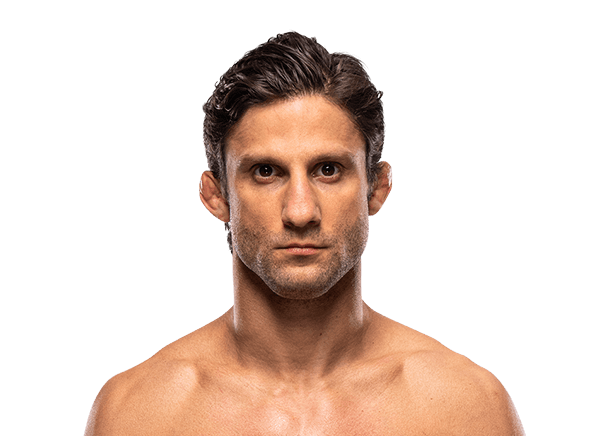
3%chance a typical judge scores it for Thiago Alves on these numbers - Mike Pyle beat Rick StoryUFC 160 · May 25, 2013
- Chris Lee29-28Rick Story
- Dave Hagen29-28Mike Pyle
- Junichiro Kamijo29-28Mike Pyle
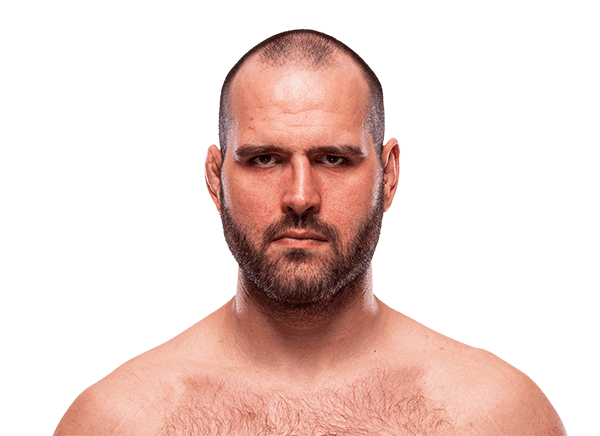
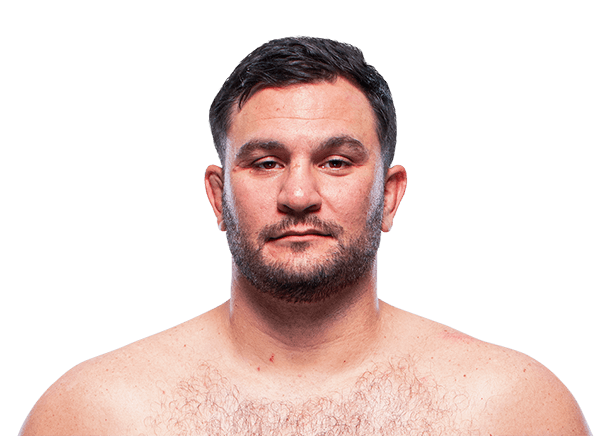
3%chance a typical judge scores it for Mike Pyle on these numbers - Martin Buday beat Lukasz BrzeskiUFC Fight Night · Aug 13, 2022
- Sal D'Amato29-28Martin Buday
- Mike Bell29-28Lukasz Brzeski
- Eliot Kelly29-28Martin Buday
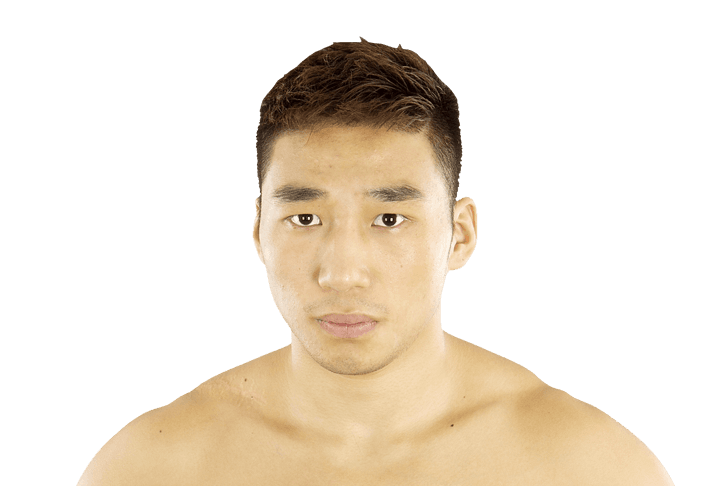
4%chance a typical judge scores it for Martin Buday on these numbers - Yao Zhikui beat Nolan TicmanUFC Fight Night · May 16, 2015
- Evan Field29-28Yao Zhikui
- Barry Foley29-28Nolan Ticman
- Christopher Shen29-28Yao Zhikui
5%chance a typical judge scores it for Yao Zhikui on these numbers - Gian Villante beat Sean O'ConnellUFC Fight Night · Jun 28, 2014
- Anthony Dimitriou29-28Gian Villante
- Charlie Keech29-28Sean O'Connell
- Kon Papaioannou29-28Gian Villante
5%chance a typical judge scores it for Gian Villante on these numbers - Mitch Raposo beat Allan NascimentoUFC Fight Night · Jun 20, 2026
- Eric Colon29-28Mitch Raposo
- Sal D'Amato29-28Allan Nascimento
- Junichiro Kamijo29-28Mitch Raposo
5%chance a typical judge scores it for Mitch Raposo on these numbers - Leonard Garcia beat Nam PhanThe Ultimate Fighter · Dec 4, 2010
- Tony Weeks29-28Leonard Garcia
- Junichiro Kamijo30-27Nam Phan
- Adalaide Byrd29-28Leonard Garcia
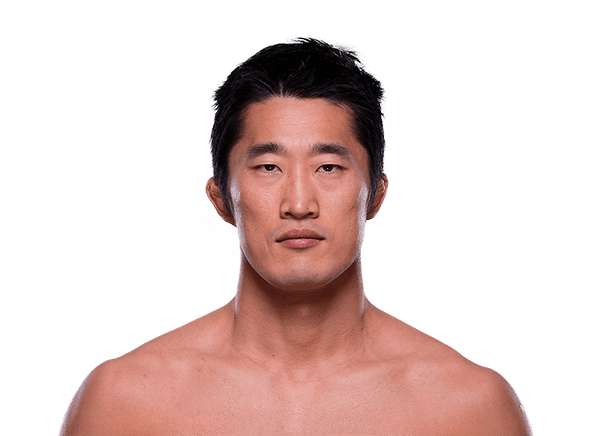
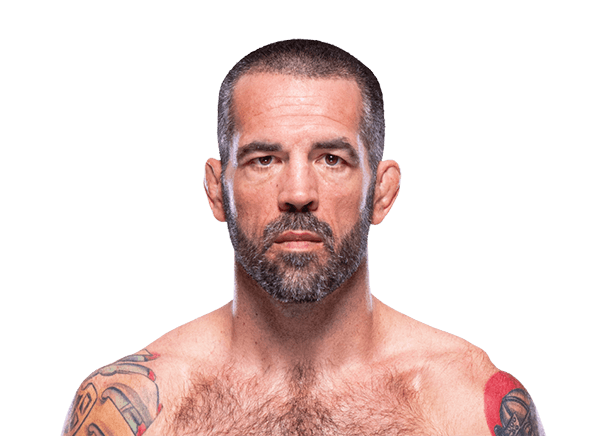
6%chance a typical judge scores it for Leonard Garcia on these numbers - Dong Hyun Kim beat Matt BrownUFC 88 · Sep 6, 2008
- Doug Crosby29-28Dong Hyun Kim
- Cecil Peoples29-28Matt Brown
- Tony Mullinax29-28Dong Hyun Kim
6%chance a typical judge scores it for Dong Hyun Kim on these numbers - Melvin Guillard beat Gleison TibauThe Ultimate Fighter · Jun 20, 2009
- Glenn Trowbridge29-28Melvin Guillard
- Dave Hagen29-28Melvin Guillard
- Nelson Hamilton29-28Gleison Tibau
6%chance a typical judge scores it for Melvin Guillard on these numbers - Ricardo Ramos beat Josh CulibaoUFC 305 · Aug 17, 2024
- Mick Meany29-28Ricardo Ramos
- Ben Cartlidge29-28Josh Culibao
- Mark Christie29-28Ricardo Ramos
6%chance a typical judge scores it for Ricardo Ramos on these numbers - Frankie Saenz beat Merab DvalishviliUFC Fight Night · Dec 9, 2017
- Derek Cleary29-28Merab Dvalishvili
- Ron McCarthy29-28Frankie Saenz
- Marcos Rosales29-28Frankie Saenz
6%chance a typical judge scores it for Frankie Saenz on these numbers










From the card totals10-8 rounds, year by year
Share of judges' cards with at least one 10-8 round, in fights that went the full distance with no point deductions.
↳Bottom line12% of full-length cards since 2017 carry a 10-8, against 8% from 2001 to 2016.
?How to read this chart
- Each bar
- one year: cards with at least one 10-8 round, divided by all cards of fights that reached the final bell with no point deductions. Gold bars = from 2017, when the 10-8 criteria were loosened.
- Why at least
- three 10-9 rounds add up to 57 points between the two fighters; every point fewer is a 10-8 round. A 10-8 and a 10-10 on the same card would cancel out, so this is a floor.
Show the data table
| Year | Cards | With a 10-8 | Share |
|---|---|---|---|
| 2006 | 150 | 13 | 8.7% |
| 2007 | 171 | 10 | 5.8% |
| 2008 | 177 | 18 | 10.2% |
| 2009 | 252 | 13 | 5.2% |
| 2010 | 339 | 16 | 4.7% |
| 2011 | 435 | 38 | 8.7% |
| 2012 | 465 | 26 | 5.6% |
| 2013 | 522 | 28 | 5.4% |
| 2014 | 687 | 29 | 4.2% |
| 2015 | 645 | 51 | 7.9% |
| 2016 | 735 | 100 | 13.6% |
| 2017 | 666 | 115 | 17.3% |
| 2018 | 654 | 84 | 12.8% |
| 2019 | 825 | 141 | 17.1% |
| 2020 | 678 | 120 | 17.7% |
| 2021 | 762 | 101 | 13.3% |
| 2022 | 708 | 75 | 10.6% |
| 2023 | 732 | 94 | 12.8% |
| 2024 | 840 | 56 | 6.7% |
| 2025 | 762 | 48 | 6.3% |
| 2026 | 657 | 71 | 10.8% |
The third person in the cageReferees
Referees with 100+ UFC bouts. Finish rate against the other fights on the same nights, so the era, the venue and the card are held roughly equal. Fights are assigned, so this describes outcomes, not intentions.
| Referee | Bouts | Finish rate | Same nights | Difference | Round-1 KO | DQs |
|---|---|---|---|---|---|---|
 Herb Dean2004–2026 · 437 events | 1,283 | 55.6%KO 36% · sub 20% | 51.2% | +4.3±2.5 pts | 2:32 | 0 |
 John McCarthy1994–2017 · 176 events | 661 | 65.2%KO 39% · sub 26% | 55.5% | +9.7±4.1 pts | 3:08 | 1 |
Marc Goddard2008–2026 · 208 events | 640 | 49.7%KO 33% · sub 17% | 50.7% | −1.0±3.6 pts | 2:48 | 0 |
Dan Miragliotta2007–2026 · 174 events | 512 | 55.3%KO 38% · sub 17% | 49.8% | +5.4±4.1 pts | 2:18 | 2 |
Jason Herzog2009–2026 · 173 events | 504 | 49.6%KO 32% · sub 17% | 48.9% | +0.7±4.1 pts | 2:58 | 2 |
Chris Tognoni2010–2026 · 182 events | 476 | 48.7%KO 30% · sub 19% | 50.4% | −1.6±4.2 pts | 2:19 | 2 |
Mark Smith2014–2026 · 162 events | 463 | 49.7%KO 34% · sub 16% | 51.5% | −1.8±4.3 pts | 2:29 | 5 |
Keith Peterson2009–2026 · 139 events | 417 | 45.1%KO 30% · sub 15% | 49.8% | −4.7±4.5 pts | 2:47 | 2 |
Mario Yamasaki1999–2018 · 135 events | 392 | 56.9%KO 34% · sub 23% | 57.9% | −1.0±4.5 pts | 2:24 | 3 |
Yves Lavigne2006–2019 · 90 events | 265 | 50.6%KO 30% · sub 20% | 52.4% | −1.8±5.5 pts | 2:35 | 0 |
Mike Beltran2013–2026 · 76 events | 223 | 49.8%KO 33% · sub 17% | 49.4% | +0.4±6.2 pts | 2:40 | 0 |
Steve Mazzagatti2003–2013 · 80 events | 201 | 60.2%KO 34% · sub 26% | 63.0% | −2.8±6.0 pts | 2:32 | 2 |
Leon Roberts2008–2020 · 67 events | 194 | 46.4%KO 33% · sub 13% | 54.0% | −7.6±6.6 pts | 2:43 | 0 |
Kerry Hatley2007–2026 · 61 events | 177 | 48.0%KO 32% · sub 16% | 51.1% | −3.1±6.8 pts | 2:43 | 1 |
Josh Rosenthal2008–2019 · 43 events | 122 | 48.4%KO 28% · sub 20% | 52.3% | −4.0±8.3 pts | 2:35 | 0 |
Kevin MacDonald2011–2026 · 40 events | 115 | 53.0%KO 32% · sub 21% | 49.9% | +3.1±8.7 pts | 2:19 | 0 |
Photos from Wikimedia Commons: Herb Dean by MMAnytt (CC BY 3.0); John McCarthy by Piotr Drabik (CC BY 2.0). All photo credits
↳Bottom lineReferee finish rates mostly track the nights they work: 5 of 16 referees sit outside the 95% margin.
?How to read this chart
- Same nights
- the finish rate of every other bout on the events this referee worked; the difference is shown with its 95% margin. Gold = beyond the margin.
- Round-1 KO
- average time of round-one knockout stoppages under this referee.
Transparent, reproducibleHow it is measured
Recomputed every three hours from the official results, so each new event is in within hours of the last bell.
The cards
UFC Stats publishes each judge's total for every decision since 2001 ("Name 28 - 29", winner's score second; we check that on every run). Names are cleaned of accents, case and spacing, prefixes such as point-deduction notes are stripped, and verified spelling variants are merged (5 merges). Round-by-round cards are not published by this source, so everything here works from totals. 12,183 cards from 4,061 decisions.
Dissent and small samples
A card is a dissent when the other two agree with each other and this one does not. Rates are shown with a 95% Wilson interval and pulled towards the league rate with a beta prior whose strength is estimated from the spread between judges (empirical Bayes: 231 pseudo-cards for dissent). A judge with 10 cards cannot top the table by luck.
The stat-sheet model
A logistic regression learns, from 11,937 cards, which fighter a typical UFC judge picks given the per-round differences in knockdowns, significant and other strikes landed, strikes attempted, takedowns, control time, submission attempts, reversals and rounds won on strikes and on control. Each card is scored by a model fitted without its fight (5-fold cross-fitting). It agrees with the judges 82.9% of the time. It is not a definition of the right decision: damage, effectiveness and the scoring criteria are things no stat sheet records. It tells you when a card is unusual for the numbers, and we always compare a judge with the colleagues who scored the same fight.
Leans
For each fight with a known winner, a card gives 1 to the fighter in question, 0 to the other and 0.5 if even. The lean is the judge's value minus the average of the other two judges on the same fight, averaged over fights, with a 95% interval. Favourite = Fight Model pre-fight probability, from March 2010 (when corners became meaningful). Home fighter = the one whose country hosts the event, when only one does. Defending champion = in a title fight, the fighter whose previous UFC bout was a title fight they won. With about 79 tests, a few would cross the usual 95% line by chance, so we only call a lean clear beyond 2.58 standard errors (99%).
10-8 rounds
Two scores per card. If every round were 10-9 the two scores would add up to 19 per round; each point below that is at least one 10-8 round (a 10-10 round would add one back, so this is a floor). Only fights that went the full distance with no point deductions count. The 10-8 index divides a judge's count by the league rate in the same years, so working mostly after the 2017 criteria change is not mistaken for generosity.
Close fights and margins
Close = split or majority decision, or a fight where the stat-sheet model gives the winner under 65%. "Wide in close fights" is the share of three-round cards of 30-27 or wider in those fights, against the league in the same years. The margin chart on each profile compares the judge's three-round scores with every judge's.
Referees
For each referee, every bout is compared with the other bouts on the same night (at least three), and the expected finish rate is the average of those nights. The margin is 1.96 times the square root of the summed Bernoulli variances. Referees are assigned to fights, so a difference describes the fights they worked, not a choice.
Photos
Only freely licensed photos from Wikimedia Commons, matched to the right person through Wikidata or Commons' own referee category, with the author, licence and source shown next to each one. No broadcast frames and no promotional images. None of the judges with a profile has a free photo on Commons yet; everyone else gets a monogram with their initials. Checked again every week.
What is not here
Next-card judge assignments are not published in our sources, so we do not list them. Draws count in totals but not in the "who did the card go to" measures, because a non-even card in a draw does not say which fighter it favoured. Profiles exist for judges with 60+ cards; everyone else is in the table above.
Ready to copyCite Judge Intelligence
Free under CC BY 4.0 with a credit and a link. Download the full table below.
In 39% of 807 UFC split decisions since 2001, the official statistics pointed the other way: a typical judge, given the knockdowns, strikes, takedowns and control time, was more likely to pick the fighter who lost (Cage Nightly Judge Intelligence).
Source: Cage Nightly, Judge Intelligence
According to Cage Nightly's Judge Intelligence, Sal D'Amato has scored 1,179 UFC fights, with a minority card in 68 of 223 split decisions.
Source: Cage Nightly, Judge Intelligence
Since the 10-8 scoring criteria changed in 2017, 12% of UFC judges' cards in fights that went the distance include at least one 10-8 round, up from 8% between 2001 and 2016 (Cage Nightly Judge Intelligence, from the official card totals).
Source: Cage Nightly, Judge Intelligence
Wikimedia CommonsPhoto credits
Every photo on the judge and referee pages, with its author and licence.