Who fights like whom
The Cage Nightly similarity engine reads 1,503 UFC careers through style, finishing, body type and career phase, adjusted for the era they fought in, and finds each fighter's closest statistical matches: over the whole career, at their prime, after the same number of fights, or at the same age.
Data through · updated
Elias Theodorou
Middleweight · 11 UFC fights with statistics · 154 minutes · 2011–2016 era
Their whole UFC career to dateClosest matches
- JSJake ShieldsWelterweight · 2010–201466%similar
- Relentless pace10.02 · 9.26
- Few knockdowns0.03 · 0.03
- Hard to hit cleanly2.48 · 2.46
Biggest differenceSignificant strikes landed per minute: Theodorou 4.13, Shields 2.85
- Relentless pace10.02 · 9.08
- Few knockdowns0.03 · 0.06
- Hard to hit cleanly2.48 · 2.62
Biggest differenceShare of strikes landed on the ground: Theodorou 11%, Sullivan 27%
- Few knockdowns0.03 · 0.03
- Few submission attempts0.05 · 0.13
- Rarely wins by submission2% · 2%
Biggest differenceSignificant strikes landed per minute: Theodorou 4.13, Hubbard 3.93
- JCJohnny CaseLightweight · 2014–201764%similar
- Relentless pace10.02 · 10.05
- High-volume striker4.13 · 3.88
- Dominant positional control60% · 60%
Biggest differenceFights won by submission: Theodorou 2%, Case 14%
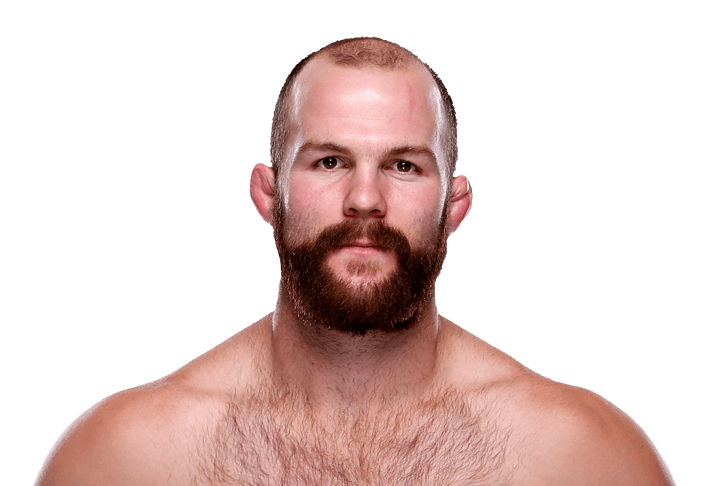 Richard WalshWelterweight · 2014–201664%similar
- High-volume striker4.13 · 3.79
- Few submission attempts0.05 · 0.25
- Rarely wins by submission2% · 3%
Biggest differenceKnockdowns per 15 minutes: Theodorou 0.03, Walsh 0.54
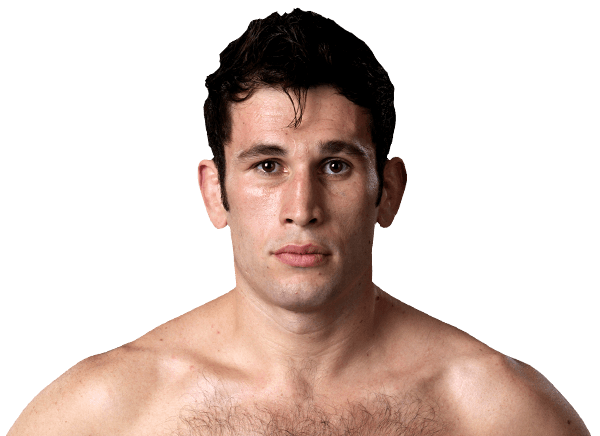 Amir SadollahWelterweight · 2008–201464%similar
- High-volume striker4.13 · 4.58
- Relentless pace10.02 · 10.04
- Few knockdowns0.03 · 0.03
Biggest differenceShare of control time: Theodorou 60%, Sadollah 30%
- CCChris CamozziMiddleweight · 2010–201764%similar
- Durable4% · 2%
- Few knockdowns0.03 · 0.08
- High-volume striker4.13 · 3.56
Biggest differenceShare of control time: Theodorou 60%, Camozzi 32%
- Relentless pace10.02 · 10.04
- Few knockdowns0.03 · 0.15
- Leg kicker23% · 20%
Biggest differenceAge at the time: Theodorou 30, Santos 38
 Tafon NchukwiMiddleweight · 2020–202364%similar
- High-volume striker4.13 · 5.12
- Few submission attempts0.05 · 0.09
- Body attacker32% · 31%
Biggest differenceFights lost by knockout: Theodorou 4%, Nchukwi 28%
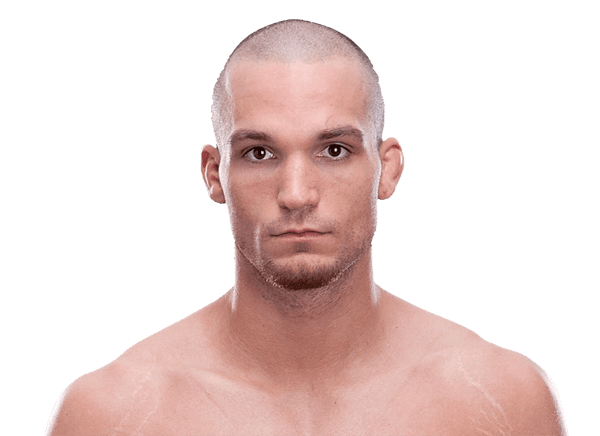 Lance BenoistWelterweight · 2011–201464%similar
- Few submission attempts0.05 · 0.10
- High-volume striker4.13 · 3.65
- Durable4% · 7%
Biggest differenceSouthpaw stance: Theodorou orthodox, Benoist southpaw
- High-volume striker4.13 · 3.57
- Relentless pace10.02 · 8.71
- Low striking accuracy42% · 41%
Biggest differenceFights won by submission: Theodorou 2%, Soszynski 19%
- High-volume striker4.13 · 5.75
- Relentless pace10.02 · 11.05
- Few submission attempts0.05 · 0.09
Biggest differenceFights won by knockout: Theodorou 18%, Stirling 45%


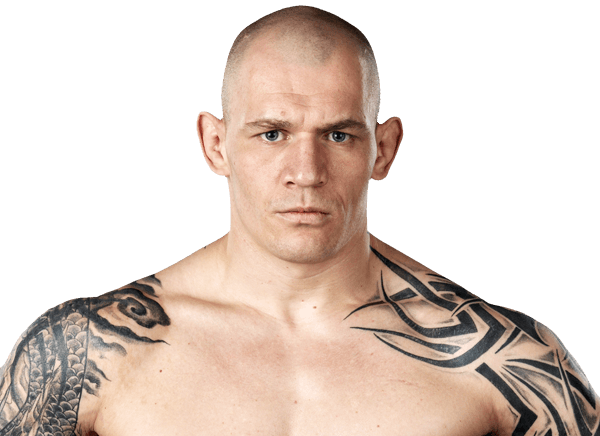
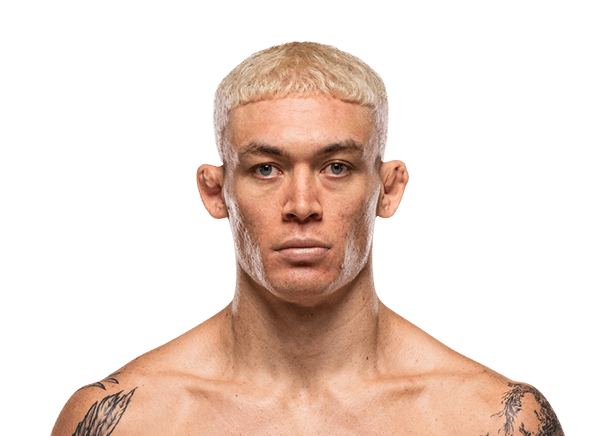
According to Cage Nightly's similarity engine, Elias Theodorou's closest statistical match over their UFC careers is Jake Shields (66% similar; 50% is two random fighters in the same division).
Side by sideTheodorou and Leben
Full comparison and win chance →Style radar
Percentile within each fighter's own era, career to date
Style map · Middleweight
Every rated fighter in the division by their two main style dimensions. Gold ring = top matches; tap a dot to explore that fighter.
↳Bottom lineChris Leben is 63% similar to Elias Theodorou; the biggest gap is share of strikes to the body.
?How to read this chart
- The radar
- each spoke is a style measure; the further out, the higher the fighter ranks against everyone of their era (50% = average). Gold = Elias Theodorou, blue = Chris Leben.
- The map
- the two directions in which UFC styles differ most (the first two principal components of the nineteen style measures), 25% and 14% of the variation. Close dots fight alike.
| Measure | Elias Theodorou | Chris Leben |
|---|---|---|
| Significant strikes landed per minute | 4.13 | 2.92 |
| Significant strikes absorbed per minute | 2.49 | 2.90 |
| Significant strike accuracy | 42% | 43% |
| Significant strike defense | 53% | 53% |
| Strikes and takedowns attempted per minute | 10.02 | 6.97 |
| Knockdowns per 15 minutes | 0.03 | 0.37 |
| Takedowns landed per 15 minutes | 1.29 | 1.30 |
| Takedown defense | 60% | 56% |
| Share of control time | 60% | 47% |
| Submission attempts per 15 minutes | 0.05 | 0.74 |
| Share of strikes landed on the ground | 11% | 21% |
| Share of strikes to the legs | 23% | 23% |
| Round-3 output against round 1 | 0.83× | 0.85× |
| Fights won by knockout | 18% | 30% |
| Fights won by submission | 2% | 9% |
| Fights lost by knockout | 4% | 18% |
| Height | 6'1" | 5'11" |
| Reach | 75" | 73" |
Transparent and recomputed nightlyHow similarity works
What is compared
For every UFC fighter we rebuild the record after each of their UFC fights: striking volume and accuracy, strikes absorbed, defence, pace, knockdowns landed and suffered, takedowns, takedown defence, control share, submission attempts, where strikes land (distance, ground, legs, body), late-fight output, how wins and losses happened, height and reach for the division, stance, age against the point where fighters start to slip (about 31, see the age curve) and UFC experience.
Fair across eras and small samples
Rates are pulled towards the league average with a few minutes of "average" fighting (15 minutes, 40 strikes), so four fights cannot look extreme by accident. Each style measure is then standardised within its era (1993–2004, 2005–2010, 2011–2016, 2017–2021, 2022 on), so a 2003 wrestler is compared with 2003, not with today's pace. Only fighters with 4+ UFC fights and 30+ minutes are rated.
Distance and percentage
Weighted distance between two profiles, plus a penalty of 0.9 per weight class apart (never more than two; men and women are never mixed). Similarity = 100 × 0.5^(distance ÷ the median distance between two fighters of the same division), so 50% means "as alike as two random fighters in the division" and 100% would be identical numbers.
Why they are similar
The three shared traits are the measures where both fighters sit on the same side of the average and far from it, ranked by weight; the biggest difference is the single measure that adds most to the distance. Same stage compares records after the same number of UFC fights; same age, the last record at that age; prime, the record at each fighter's highest rating.
Does it predict?
A test on 1,033 fighters: their ten closest matches after five UFC fights (only fighters who got there earlier) predicted their win rate in fights six to eight with an average error of 30.1 points, against 30.4 for a coin flip and 30.1 for their own record so far (correlation 0.125 vs 0.248). Similarity describes how someone fights; it is a weak forecast on its own, which is why the Fight Model does the predicting.
Limits
The numbers see what UFC Stats records: no footwork, feints or fight IQ, and nothing from outside the UFC. Fighters with few UFC fights carry more uncertainty even after shrinkage. Physical measures are as listed by the source.