Who fights like whom
The Cage Nightly similarity engine reads 1,503 UFC careers through style, finishing, body type and career phase, adjusted for the era they fought in, and finds each fighter's closest statistical matches: over the whole career, at their prime, after the same number of fights, or at the same age.
Data through · updated
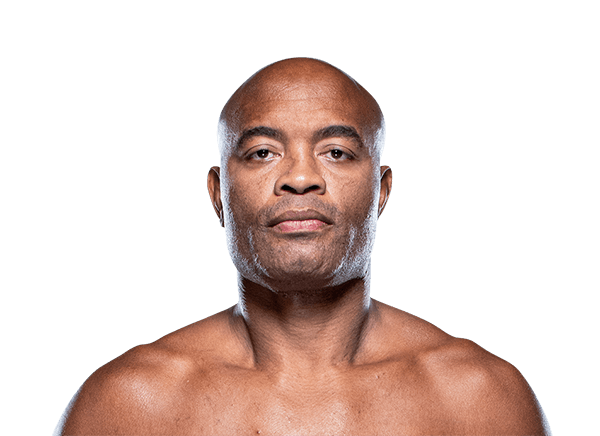
Anderson Silva
Middleweight · 25 UFC fights with statistics · 271 minutes · 2011–2016 era
At the peak of their ratingClosest matches
- Knockdown power1.60 · 1.20
- Hard to take down77% · 78%
- Hard to hit cleanly1.89 · 2.59
Biggest differenceSignificant strike accuracy: Silva 66%, Reyes 52%
- Knockout finisher58% · 57%
- Spends time controlled27% · 18%
- Rarely takes it down0.44 · 0.25
Biggest differenceKnockdowns per 15 minutes: Silva 1.60, Pereira 0.74
- Knockdown power1.60 · 2.00
- Knockout finisher58% · 68%
- Rarely takes it down0.44 · 0.41
Biggest differenceSignificant strike accuracy: Silva 66%, Prates 54%
- Knockdown power1.60 · 1.12
- Hard to take down77% · 83%
- Rarely takes it down0.44 · 0.15
Biggest differenceSignificant strike accuracy: Silva 66%, Adesanya 50%
- YRYoel RomeroMiddleweight · 2013–202056%similar
- Knockout finisher58% · 58%
- Hard to take down77% · 76%
- Hard to hit cleanly1.89 · 2.51
Biggest differenceShare of control time: Silva 27%, Romero 63%
- SAScott AskhamMiddleweight · 2014–201756%similar
- Knockdown power1.60 · 1.23
- Spends time controlled27% · 31%
- Rarely takes it down0.44 · 0.71
Biggest differenceAge at the time: Silva 37, Askham 27
- Knockdown power1.60 · 1.61
- Rarely takes it down0.44 · 0.38
- Hard to take down77% · 78%
Biggest differenceSignificant strike accuracy: Silva 66%, Ruffy 56%
- Knockdown power1.60 · 1.37
- Knockout finisher58% · 55%
- Hard to hit cleanly1.89 · 2.31
Biggest differenceSignificant strike accuracy: Silva 66%, Santos 51%
- Hard to hit cleanly1.89 · 2.48
- Spends time controlled27% · 39%
- Rarely dropped0.03 · 0.06
Biggest differenceSignificant strike accuracy: Silva 66%, Bahadurzada 49%
- MMMatt MitrioneHeavyweight · 2009–201655%similar
- Knockdown power1.60 · 1.43
- Knockout finisher58% · 57%
- Spends time controlled27% · 30%
Biggest differenceSignificant strike accuracy: Silva 66%, Mitrione 51%
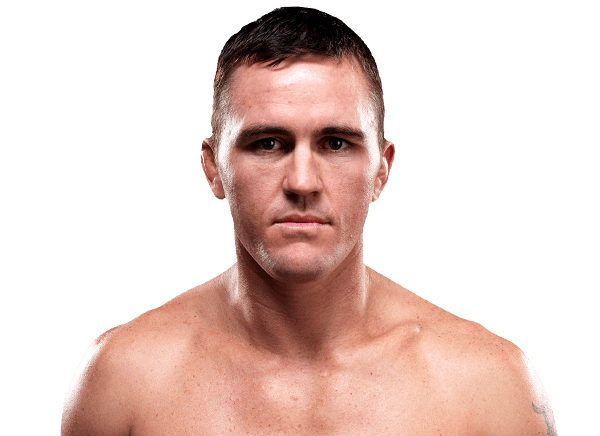 Kyle NokeWelterweight · 2010–201655%similar
- Hard to hit cleanly1.89 · 2.13
- Durable3% · 4%
- Both southpaws
Biggest differenceKnockdowns per 15 minutes: Silva 1.60, Noke 0.59
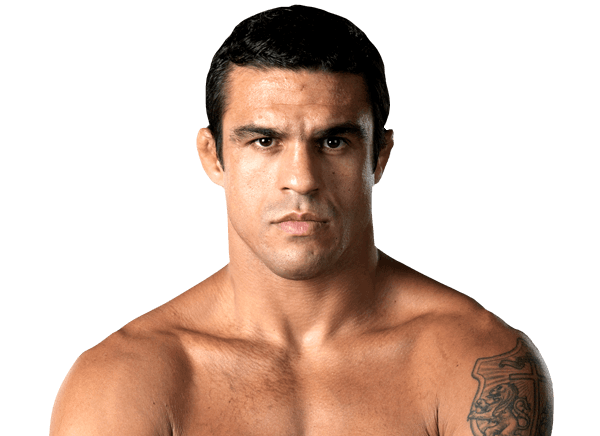 Vitor BelfortMiddleweight · 1997–201854%similar
- Knockout finisher58% · 52%
- Knockdown power1.60 · 1.32
- Spends time controlled27% · 23%
Biggest differenceSignificant strike accuracy: Silva 66%, Belfort 48%
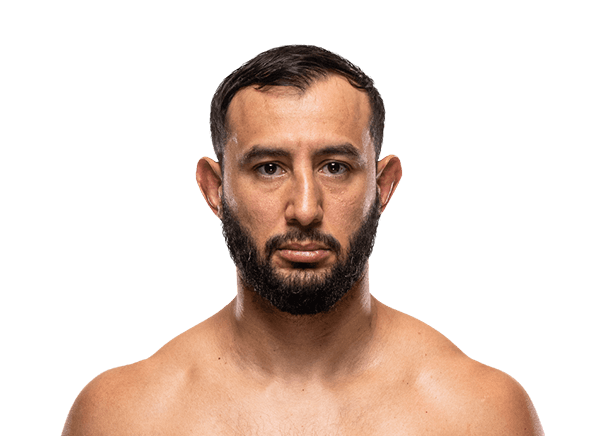
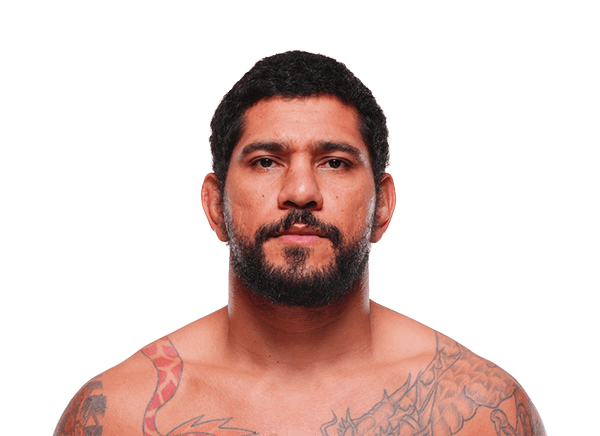
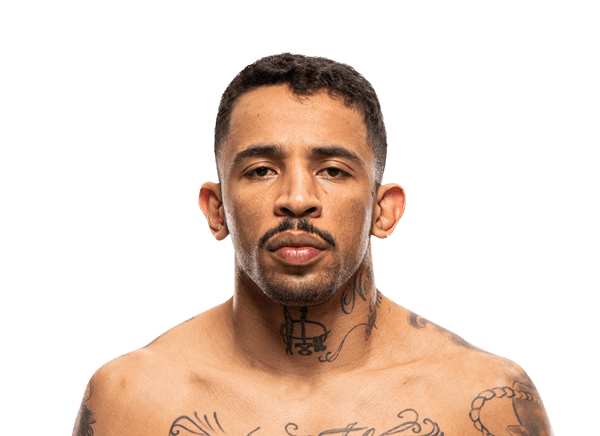
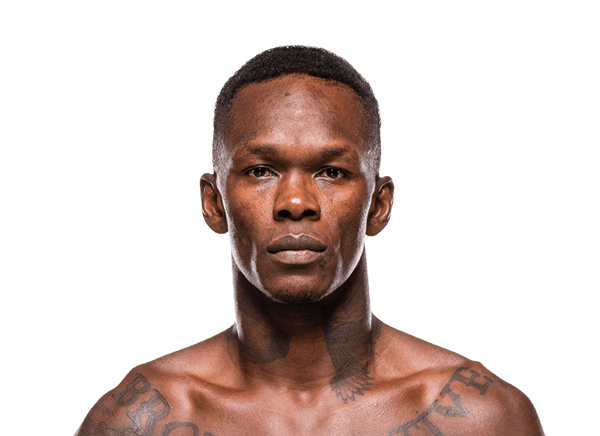

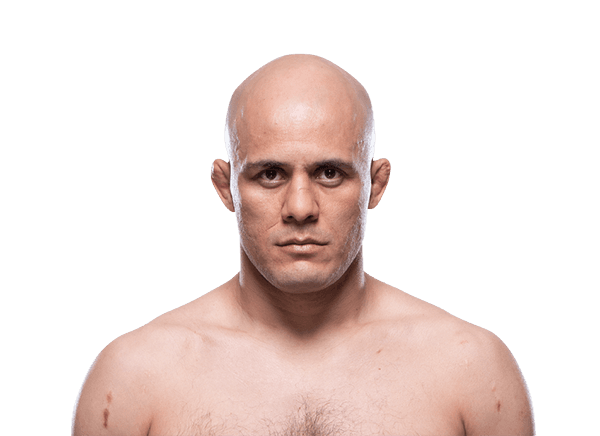
According to Cage Nightly's similarity engine, Anderson Silva's closest statistical match at the peak of their rating (1713, after UFC fight 15) is Dominick Reyes (61% similar; 50% is two random fighters in the same division).
Side by sideSilva and Reyes
Full comparison and win chance →Style radar
Percentile within each fighter's own era, at their prime
Style map · Middleweight
Every rated fighter in the division by their two main style dimensions. Gold ring = top matches; tap a dot to explore that fighter.
↳Bottom lineDominick Reyes is 61% similar to Anderson Silva (prime); the biggest gap is significant strike accuracy.
?How to read this chart
- The radar
- each spoke is a style measure; the further out, the higher the fighter ranks against everyone of their era (50% = average). Gold = Anderson Silva, blue = Dominick Reyes.
- The map
- the two directions in which UFC styles differ most (the first two principal components of the nineteen style measures), 25% and 14% of the variation. Close dots fight alike.
| Measure | Anderson Silva | Dominick Reyes |
|---|---|---|
| Significant strikes landed per minute | 3.34 | 4.60 |
| Significant strikes absorbed per minute | 1.89 | 2.59 |
| Significant strike accuracy | 66% | 52% |
| Significant strike defense | 61% | 57% |
| Strikes and takedowns attempted per minute | 5.24 | 9.24 |
| Knockdowns per 15 minutes | 1.60 | 1.20 |
| Takedowns landed per 15 minutes | 0.44 | 0.70 |
| Takedown defense | 77% | 78% |
| Share of control time | 27% | 46% |
| Submission attempts per 15 minutes | 0.64 | 0.43 |
| Share of strikes landed on the ground | 27% | 12% |
| Share of strikes to the legs | 22% | 23% |
| Round-3 output against round 1 | 1.17× | 0.74× |
| Fights won by knockout | 58% | 39% |
| Fights won by submission | 18% | 14% |
| Fights lost by knockout | 3% | 6% |
| Height | 6'2" | 6'4" |
| Reach | 77" | 77" |
Transparent and recomputed nightlyHow similarity works
What is compared
For every UFC fighter we rebuild the record after each of their UFC fights: striking volume and accuracy, strikes absorbed, defence, pace, knockdowns landed and suffered, takedowns, takedown defence, control share, submission attempts, where strikes land (distance, ground, legs, body), late-fight output, how wins and losses happened, height and reach for the division, stance, age against the point where fighters start to slip (about 31, see the age curve) and UFC experience.
Fair across eras and small samples
Rates are pulled towards the league average with a few minutes of "average" fighting (15 minutes, 40 strikes), so four fights cannot look extreme by accident. Each style measure is then standardised within its era (1993–2004, 2005–2010, 2011–2016, 2017–2021, 2022 on), so a 2003 wrestler is compared with 2003, not with today's pace. Only fighters with 4+ UFC fights and 30+ minutes are rated.
Distance and percentage
Weighted distance between two profiles, plus a penalty of 0.9 per weight class apart (never more than two; men and women are never mixed). Similarity = 100 × 0.5^(distance ÷ the median distance between two fighters of the same division), so 50% means "as alike as two random fighters in the division" and 100% would be identical numbers.
Why they are similar
The three shared traits are the measures where both fighters sit on the same side of the average and far from it, ranked by weight; the biggest difference is the single measure that adds most to the distance. Same stage compares records after the same number of UFC fights; same age, the last record at that age; prime, the record at each fighter's highest rating.
Does it predict?
A test on 1,033 fighters: their ten closest matches after five UFC fights (only fighters who got there earlier) predicted their win rate in fights six to eight with an average error of 30.1 points, against 30.4 for a coin flip and 30.1 for their own record so far (correlation 0.125 vs 0.248). Similarity describes how someone fights; it is a weak forecast on its own, which is why the Fight Model does the predicting.
Limits
The numbers see what UFC Stats records: no footwork, feints or fight IQ, and nothing from outside the UFC. Fighters with few UFC fights carry more uncertainty even after shrinkage. Physical measures are as listed by the source.